The Evolution of Skateboarding: From Sidewalk Surfing to Streetwear Culture
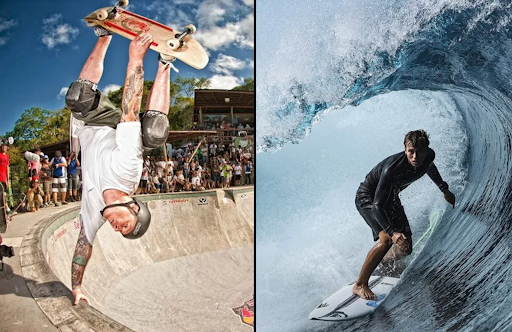
Skateboarding started as a simple idea: bring surfing to the streets. What began as "sidewalk surfing" in the 1950s has evolved into a global movement that blends skateboarding culture, streetwear fashion, and pop art design into one powerful lifestyle.
Today, skateboarding isn't just a sport. It's identity. It's rebellion. It's art. It's community.
Let's break down how we got here.
The Origins of Skateboarding (1950s–1970s)
In the late 1950s, California surfers wanted something to ride when the waves were flat. They attached roller skate wheels to wooden boards, and skateboarding was born.
By the 1970s, things changed fast:
- Urethane wheels improved performance
- Empty swimming pools became skate spots
- Vertical skating (vert) began dominating
- Skateboarding culture started forming its own identity
This era introduced the first real sense that skateboarding wasn't just a hobby — it was a movement. Skaters developed their own style, slang, and attitude separate from mainstream sports.
The Street Skateboarding Revolution (1980s–1990s)
The 1980s and 1990s completely reshaped skateboarding.
When vert ramps became less accessible, skaters took to the streets. Stair sets, handrails, ledges, and parking lots became playgrounds. This is where street skateboarding truly exploded.
Street skating brought:
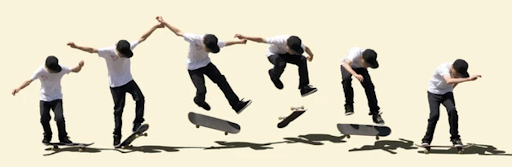
- Technical tricks (kickflips, heelflips, grinds)
- Raw, urban video parts
- DIY skate spots
- A rebellious anti-authority mindset
Street skating made skateboarding relatable and accessible. You didn't need a ramp — you just needed concrete.
This era also created the foundation for modern skateboarding lifestyle brands.
When Skateboarding Met Streetwear
As skateboarding grew, so did its fashion.
Skaters weren't wearing traditional athletic gear. Instead, they gravitated toward:
- Oversized graphic tees
- Baggy jeans
- Hoodies and flannels
- Vans, Dunks, and skate shoes
- Bold logo designs
This was the birth of skate streetwear.
Skateboarding heavily influenced what we now call modern streetwear. Brands rooted in skate culture became global fashion forces. What started in skate shops ended up on runways.
Skateboarding shaped:
- Logo-driven fashion
- Limited drops
- Graphic-heavy apparel
- Underground brand loyalty
The connection between skate clothing brands and street skateboarding culture is inseparable.
Written by Sage Stewart

Leave a comment
This site is protected by hCaptcha and the hCaptcha Privacy Policy and Terms of Service apply.